Firearms and Ammo: A Practical Guide
A 9mm pistol with a 10-round magazine is a fundamentally different tool than a .308 Winchester bolt-action rifle with a 24-inch barrel. Understanding the specific pairing of firearm and ammunition isn’t just academic; it’s the difference between a reliable system and a malfunction, between ethical hunting and a wounded animal, and between effective defense and a dangerous failure.
The Symbiotic Relationship: Why Your Ammo Choice Matters
Think of your firearm as a delivery system and the cartridge as the payload. They are engineered as a unit. Firing a 5.56 NATO round, which operates at roughly 62,000 PSI, in a .223 Remington-chambered rifle rated for 55,000 PSI is asking for trouble. The reverse is generally safe but can affect accuracy. For handguns, the difference between 9mm +P and standard pressure loads changes recoil impulse and wear on the firearm. At Oregonarms Ammunition, we see customers who buy a high-end Springfield Armory XD Mod.4 then try to feed it the cheapest, dirtiest steel-case ammo they can find. That pistol will run, but you’re increasing the likelihood of a stovepipe or failure to eject. Match the ammunition’s purpose—target, defense, or hunting—to both the firearm’s design and your intended use. The box of ammo is as critical as the serial number on the frame.
Handgun Dynamics: From Micro-Compacts to Duty Pistols
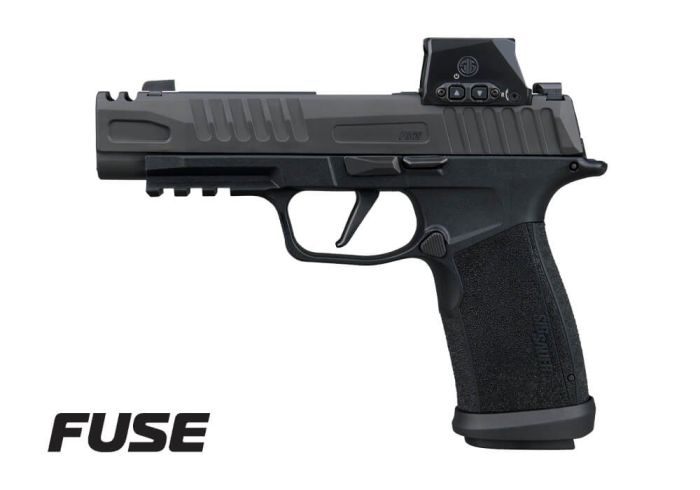
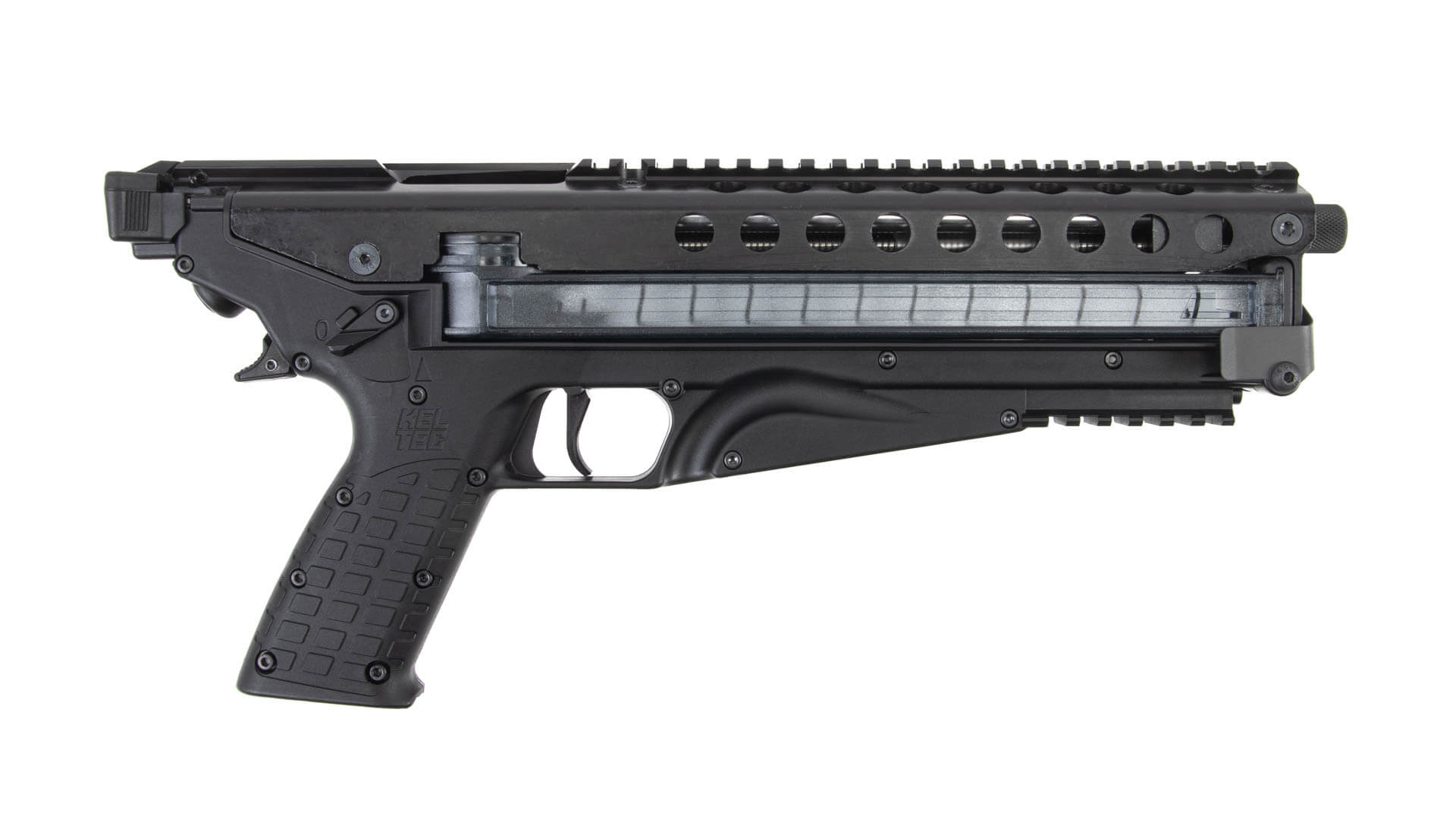
The modern handgun market splits into clear categories. Micro-compacts like the SIG P365 series are for concealed carry, sacrificing sight radius and capacity for concealability. They often perform best with standard pressure 124-grain rounds, as +P ammo can be punishing in a 18-ounce pistol. Full-size “duty” pistols like the Glock 17 or Smith & Wesson M&P9 are designed to handle high round counts of any quality 9mm, including +P defensive loads. Then you have niche designs like the KelTec KP50 in 5.7x28mm, which offers low recoil and high capacity but relies on a specific, sometimes pricier, ammunition type. Your choice should start with the role: deep concealment, home defense, or competition. Then, select a proven firearm and put 200 rounds of your chosen defensive or practice ammo through it to verify function before you trust it.
Rifle Cartridges: Matching the Round to the Task
Rifle selection is a exercise in ballistic pragmatism. The .223 Remington/5.56 NATO is effective for varmints and tactical use out to about 400 yards. For whitetail deer, the .308 Winchester or 6.5 Creedmoor are superior choices, offering the necessary energy and trajectory. Don’t use a varmint round like .204 Ruger on deer; it’s unethical. Conversely, using a powerful .30-06 Springfield round for prairie dogs is overkill and expensive. The platform matters too. An AR-15 style rifle in .300 Blackout is optimized for short barrels and suppressors, firing heavy subsonic bullets, while the same rifle in .223 is a different beast entirely. Always verify your rifle’s barrel twist rate (e.g., 1:7″ vs 1:9″) to ensure it stabilizes your chosen bullet weight. A 1:9″ twist may not properly stabilize a 77-grain 5.56 bullet.
Ammunition Types: Deciphering the Box
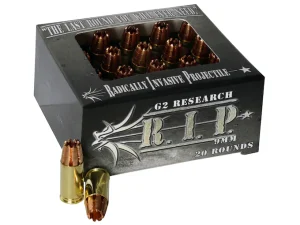
Not all ammo is created equal. Full Metal Jacket (FMJ) is for practice; it’s inexpensive but penetrates deeply and expands little. Jacketed Hollow Point (JHP) is for defense and hunting; it’s designed to expand, transferring energy to the target. Specialty rounds exist for specific jobs: Winchester’s Deer Season XP uses a polymer tip for rapid expansion on thin-skinned game. Then you have +P (higher pressure) and +P+ (even higher) designations, which offer higher velocity but increase wear. You must check your firearm’s manual to see if it’s rated for these. For stockpiling, stick with brass-cased, non-corrosive ammo from major manufacturers. We’ve tested dozens of types at Oregonarms Ammunition, and consistency lot-to-lot is where the reputable brands earn their keep.
Building a Practical System
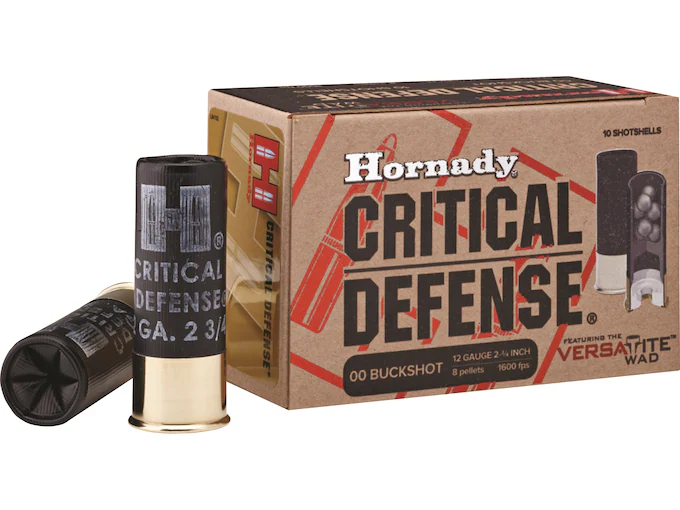
Start with one primary role. If it’s home defense, a 12-gauge shotgun or a 9mm carbine with a weapon light and quality JHPs is a solid foundation. For your first handgun, a full-size or compact 9mm like those in our handguns collection is easier to shoot accurately than a micro-compact. Buy a minimum of 500 rounds of practice ammo and 100 rounds of your chosen defensive ammo. Train with both. If you later add a hunting rifle, you’re building a separate system with its own ammunition needs—like a .308 bolt-action and a supply of 150-grain soft points. Accessories like optics and triggers, available in our triggers collection, come later. The core is always the same: a reliable firearm and a substantial supply of the right ammunition for its job. Ammo is a consumable; you should be buying it as regularly as you go to the range.
Can I use .223 Remington ammo in a 5.56 NATO chambered rifle?
Yes, you can safely fire .223 Remington ammunition in a rifle chambered for 5.56 NATO. The 5.56 chamber has a slightly longer leade (freebore), which results in lower pressure. However, the reverse is not always safe. Firing higher-pressure 5.56 NATO ammo in a .223 Remington-only chamber can generate dangerous pressure levels. Always check your barrel’s markings.
What’s the difference between 9mm Luger and 9mm Parabellum?
There is no practical difference. 9mm Luger, 9mm Parabellum, and 9x19mm all refer to the exact same cartridge. It’s the standard 9mm round used by NATO and in the vast majority of modern service and defensive pistols. You may also see 9mm +P, which is a higher-pressure variant, and 9mm Makarov (9x18mm), which is a completely different, incompatible cartridge.
How much ammo should I keep for each firearm?
This depends on use, but a practical baseline is a minimum of 500 rounds of practice ammunition (FMJ) and at least 100 rounds of your chosen defensive or hunting load (JHP, soft point, etc.) per firearm. For a primary defensive rifle or pistol, 1,000 rounds of practice ammo is a more robust starting point. Ammunition is non-perishable if stored properly (cool, dry place) and is the first thing to become scarce during shortages.
Browse our firearms collection
Last updated: March 27, 2026