Firearms and Use of Force Handbook
You’re in your living room at 2 AM when the back door splinters open. The law in your state says you can use deadly force to prevent a forcible felony inside your dwelling. Knowing that legal standard instantly is the difference between a justified defense and a life-altering legal nightmare. This isn’t theoretical; it’s the core reason every responsible gun owner needs a use-of-force framework, not just a holster.
The Legal Threshold: Imminent, Unavoidable, and Reasonable
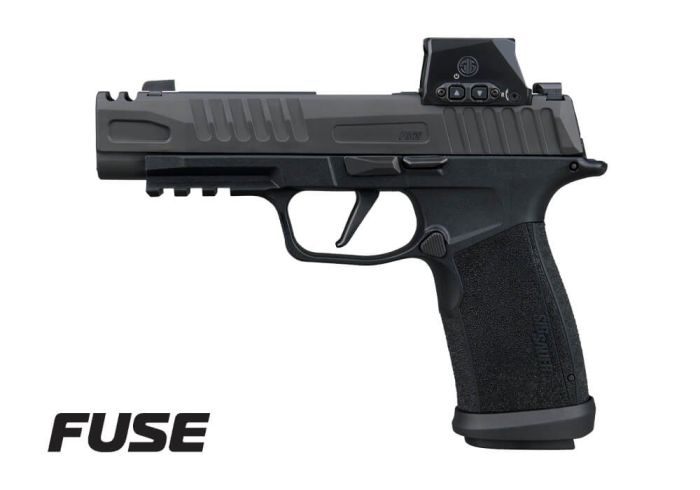
Forget movie quotes. The legal standard for using deadly force is a three-part test: the threat must be imminent, unavoidable, and your response must be reasonable. “Imminent” means it’s happening now, not a potential future threat. “Unavoidable” means you had no safe avenue of retreat (note: many states have “stand your ground” laws removing the duty to retreat). “Reasonable” is the big one—would a prudent person in your same situation believe lethal force was necessary? This is judged by the totality of circumstances: time of day, relative size, number of assailants, and perceived weapons. A handgun like the SIG P365 is a tool for this worst-case scenario, not a problem-solver for arguments. Your mindset must be defensive; brandishing a firearm to de-escalate a shouting match fails the reasonableness test and is a crime.
The Continuum of Force: De-escalation is Your First Duty
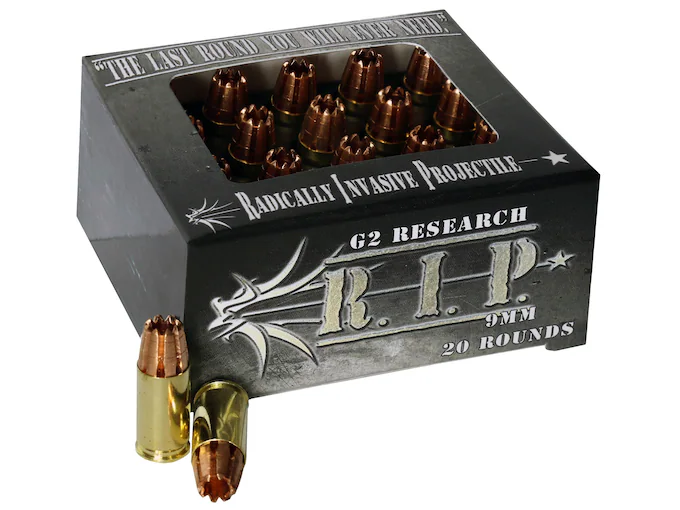
Carrying a firearm means you’ve accepted the duty to de-escalate. The continuum of force starts with your presence and voice, moves to empty-hand control, then less-lethal options (like pepper spray), and only culminates in deadly force as an absolute last resort. Your goal is always to create time and distance. If you can walk away, you must. This is a tactical and legal imperative. Training your verbal commands and situational awareness is as critical as range time. A compact pistol, such as the Springfield Armory XD Mod.4, is a last-ditch tool. Its purpose is to stop an immediate, lethal threat when all other options are exhausted. The ammunition you carry matters too; using hunting rounds for home defense could be scrutinized, which is why we stock purpose-driven defensive loads at Oregonarms Ammunition.
After the Shot: The Critical Next Steps
The trigger pull is not the end. Your immediate legal and physical responsibilities begin the millisecond the threat stops. First, secure the scene. Is the threat truly neutralized? Are there other attackers? Only then, with the area safe, should you holster your firearm and call 911. Your statement to the operator is vital: “I was attacked. I need police and an ambulance. The intruder is at [location]. I will be [description] and I am armed.” When police arrive, follow commands explicitly. You will likely be disarmed and detained initially—this is standard procedure. You have the right to remain silent. State clearly: “I was in fear for my life. I will cooperate fully, but I wish to speak with my attorney before making any statement.” Do not re-enact the scene or provide a detailed statement without counsel. This is non-negotiable.
State-Specific Laws: Castle Doctrine vs. Duty to Retreat
Your legal footing depends entirely on your zip code. “Castle Doctrine” laws, present in most states, remove the duty to retreat within your home, and sometimes your vehicle or workplace. “Stand Your Ground” laws, like those in Florida or Texas, remove the duty to retreat in any place you have a legal right to be. Conversely, states like New York or New Jersey impose a “duty to retreat” if you can do so safely, even in public. The definition of “forcible felony” that justifies deadly force also varies—burglary might qualify in Georgia but not in California. You must know your state’s statutes verbatim. Ignorance is not a defense. This is why a platform like the KelTec KP50 is a niche tool; its 5.7x28mm caliber has specific ballistic and legal considerations that differ from common 9mm rounds, a nuance we discuss with customers at Oregonarms Ammunition.
Training Beyond the Range: Scenario-Based Decision Making
Static target practice builds muscle memory, but it doesn’t teach use-of-force law. You need force-on-force scenario training with simunitions or airsoft under professional instruction. These drills ingrain the decision-making process: identify the threat, assess the options, and apply the appropriate level of force. Does that person have a wallet or a knife? Is that a bump in the night or a home invader? Training under stress bridges the gap between legal knowledge and reflexive action. Pair this with regular dry-fire practice for your specific firearm, whether it’s a AR-15 style rifle for home defense or a concealed carry pistol. Your gear, from your trigger to your ammunition, must be utterly reliable, which is the baseline standard for everything we sell.

FAQ
What is the most important rule in a use-of-force handbook?
The most critical rule is that deadly force is only justified to stop an imminent, unavoidable threat of death or grievous bodily harm to yourself or an innocent third party. Your firearm is a last resort, not a first option. Every action is judged against the legal standard of what a reasonable person would do in that exact situation.
Do I need to warn someone before using my firearm?
There is generally no legal requirement to issue a verbal warning, but doing so if safely possible can be powerful evidence of your intent to de-escalate. However, if the threat is immediate and lethal, hesitation to issue a warning could cost you your life. Your primary legal duty is to articulate why you believed the threat was imminent.
What should I do immediately after a defensive shooting?
Secure your firearm once the threat is stopped, call 911, request medical and police, and give a minimal, factual statement to the operator (“I was attacked, the assailant is down at this location”). When police arrive, comply with commands, state you were in fear for your life, and then invoke your right to remain silent and request an attorney before any detailed questioning.
Where can I find the specific use-of-force laws for my state?
You must consult your state’s criminal code, typically under sections titled “Justifiable Use of Force,” “Self-Defense,” or “Homicide.” Do not rely on internet summaries. Review the actual statutes, and consider consulting with a local attorney who specializes in firearms law to ensure you fully understand the legal landscape where you live and carry.
What is the Canadian firearms handbook?
The Canadian Firearms Safety Course (CFSC) manual is the official handbook for licensing in Canada. It covers safe handling, storage, transportation, and operation of non-restricted firearms, along with the legal framework under the Firearms Act. It is a mandatory study guide for passing the licensing exam and is fundamentally different from U.S. self-defense law, focusing almost exclusively on safety and regulations rather than defensive use.
Browse our firearms collection
Last updated: March 27, 2026