Firearms vs. Guns: What’s the Difference?
Walk into any gun shop and you’ll hear the terms “firearm” and “gun” used interchangeably. But when you’re filling out a Form 4473, the ATF doesn’t ask for your “gun” information—it asks for the firearm’s serial number. That’s your first clue there’s a technical distinction, and it matters for legality, classification, and precision in our industry.
The Technical Definition: Firearm as the Legal Umbrella
Legally, “firearm” is the master term. Under the Gun Control Act of 1968, a firearm is defined as any weapon which will or is designed to or may readily be converted to expel a projectile by the action of an explosive. This includes everything from a single-shot derringer to a belt-fed machine gun. The term “gun” is a subset. All guns are firearms, but not all firearms are colloquially called “guns.” For instance, industry professionals and legal documents refer to the receiver or frame of an AR-15 as the “firearm”—that’s the controlled part with the serial number. The barrel, stock, and trigger group are just components. When you order a complete AR-15 upper from Oregonarms Ammunition, you’re buying a component, not a firearm, because it lacks the serialized lower receiver.
Common Usage: “Gun” as the Everyday Term
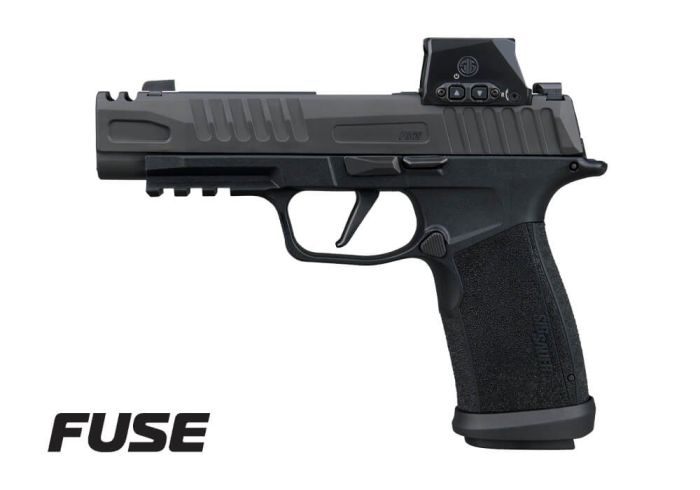
On the range or in the field, “gun” is the universal, practical word. You tell your buddy to pass the 9mm gun, not the “9mm portable handheld firearm.” This usage typically refers to man-portable, direct-fire weapons. A pistol is a gun. A rifle is a gun. A shotgun is a gun. The term implies a complete, functional unit ready to fire. It’s about utility and communication. When a customer asks us at Oregonarms Ammunition for a reliable concealed carry gun, we know they’re talking about a finished pistol like the SIG Sauer P365 FUSE, not a box of parts. The context makes the meaning clear, even if it’s not the precise legal terminology.
When Specificity is Critical: Calibers and Platforms
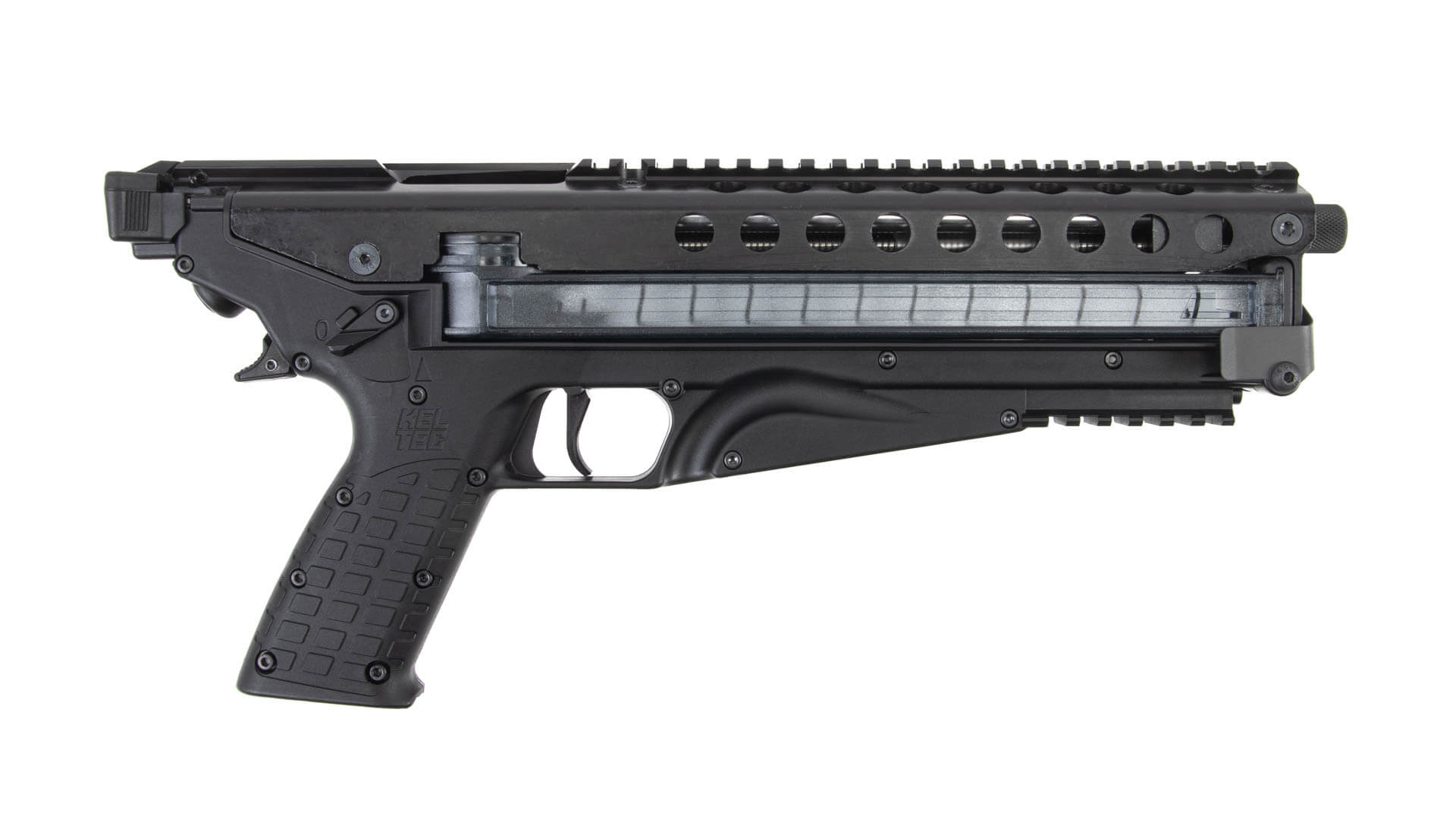
The difference becomes crucial when discussing hardware. Saying “I need .308 ammunition for my gun” is vague. It could be for a bolt-action rifle, a semi-automatic platform like an AR-10, or even a rare pistol. Saying “firearm” often precedes a more precise description, especially in technical manuals or product specs. For example, the KelTec KP50 is a pistol chambered in 5.7x28mm—a specific firearm platform. The ammunition it uses, like the Hornady 204 Ruger we stock, is designed for a very different type of firearm (a varmint rifle). Knowing the exact firearm dictates the correct ammunition, optics, and accessories.
Why the Distinction Matters for Buyers and Owners
For owners, the legal distinction is non-negotiable. When you purchase a firearm, you are subject to a federal background check. Purchasing a “gun part” like a aftermarket trigger typically does not require one (though state laws vary). Misunderstanding can lead to serious legal trouble. Furthermore, insurance policies, transportation laws, and range rules frequently use the term “firearm” for clarity and legal coverage. As a retailer, Oregonarms Ammunition categorizes products based on this precision. Our rifles collection lists firearms, while our ammunition collection supports them. Knowing you own firearms, not just guns, frames your responsibilities regarding safe storage, transfer, and use.
Final Verdict: Precision in Context
So, which term is correct? Both, depending on context. Use “firearm” when dealing with legality, technical specifications, or formal communication. Use “gun” in casual, operational conversation where the meaning is implicitly understood. The key is knowing the audience. If you’re talking to an FFL dealer about a transfer, say “firearm.” If you’re on a hunting trip and your partner asks what you’re using for deer, you can say, “I’m using my .30-30 gun with Winchester Deer Season XP ammo.” The sophistication lies in using the right term at the right time, proving you understand both the culture and the law.
Is a shotgun considered a firearm or a gun?
It is both. Legally, it is a firearm under federal law. In common parlance, it is absolutely a gun. The specific type of firearm is a smoothbore shotgun, which distinguishes it from a rifled firearm like a rifle or pistol.
Does the ATF use the word “gun” in its regulations?
Rarely. The ATF’s regulatory language almost exclusively uses “firearm” for precision and to align with the definitions in the Gun Control Act and National Firearms Act. Using the legal term avoids ambiguity in enforcement.
No. In the case of an AR-15, only the lower receiver is legally the firearm. A complete upper assembly (barrel, handguard, bolt carrier group) is considered a component or part. You can have it shipped directly to your door without an FFL transfer, unlike a lower receiver.
Browse our firearms collection
Last updated: March 27, 2026