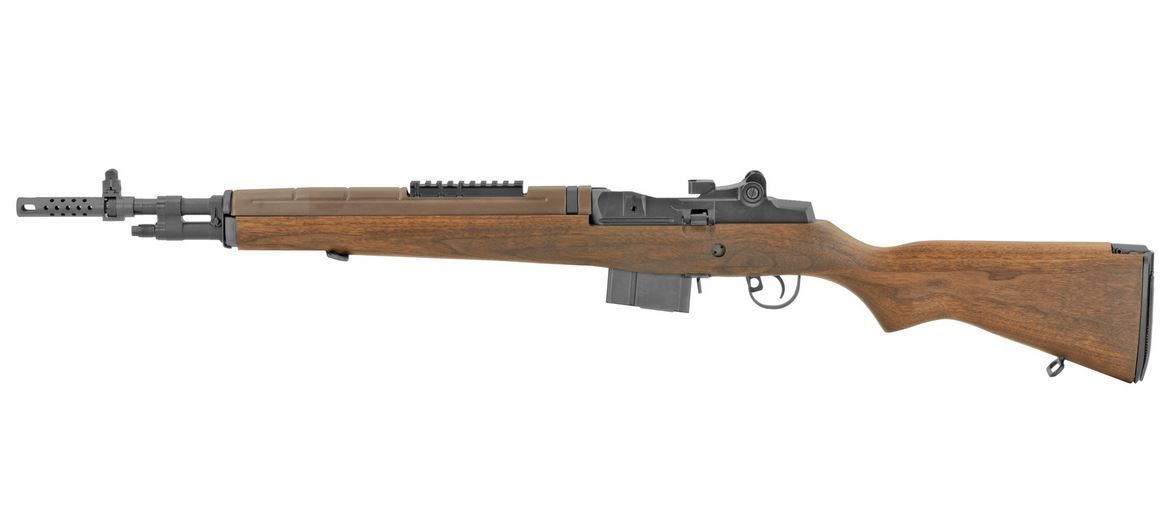
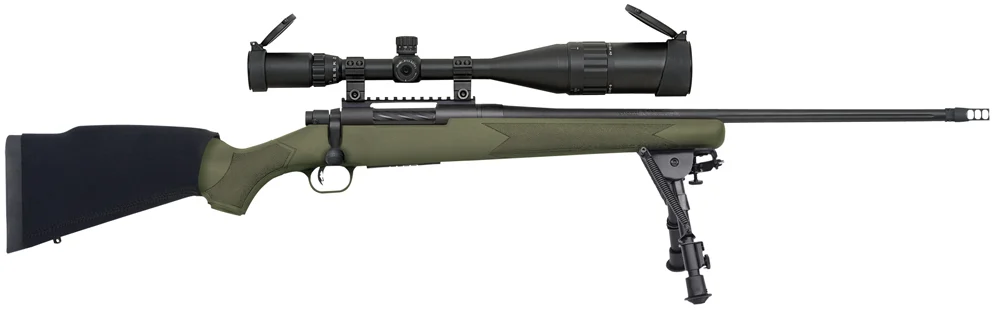
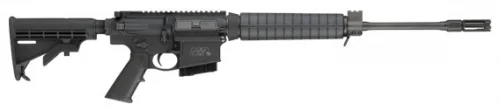
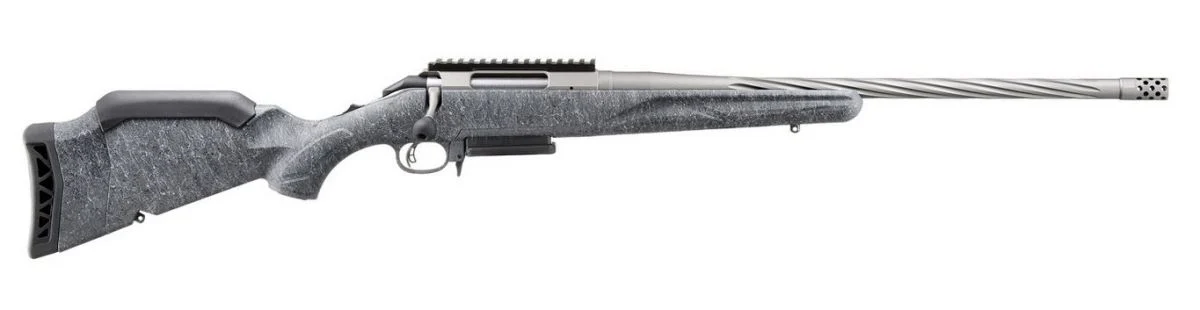
Rifles for Oregon blacktail, mule deer and elk
Oregon is really two hunting states. West of the Cascade crest you hunt Columbia blacktail and Roosevelt elk in rain, brush and second-growth timber, usually inside 150 yards. East of the crest you hunt mule deer and Rocky Mountain elk in open sage, juniper and canyon country where a shot can be long. The rifle that suits one side is often the wrong rifle for the other. Here is how the 2026 seasons line up and what to carry.
The 2026 seasons
The Oregon Department of Fish and Wildlife publishes the dates each year, and the structure changed for 2026, so check the current regulations before you buy a tag.
- Western Oregon general buck deer, any legal weapon: October 3 to November 6, 2026, on the general western Oregon tag.
- Eastern Oregon buck deer: now entirely controlled hunts organised by Deer Hunt Area rather than by wildlife management unit. You have to draw.
- West Cascade elk: November 7 to 13, 2026, one bull, general West Cascade tag.
- Coast Roosevelt elk: first season November 14 to 17, second season November 21 to 27, 2026, with spike-only rules in some units.
- Rocky Mountain elk, eastern Oregon: the general second season for spike bulls runs November 7 to 15, 2026; earlier eastern hunts are controlled.
What Oregon law allows
The weapon rules are specific and worth reading before you buy anything.
- Deer, pronghorn, black bear and cougar need a centerfire rifle or handgun of .22 caliber or larger.
- Elk, bighorn sheep and Rocky Mountain goat need .24 caliber or larger, which rules out the .223 and the 22-250 for elk.
- Rimfire is not legal for game mammals apart from western gray squirrel.
- Full metal jacket and tracer bullets are prohibited. Use expanding hunting bullets.
- Shotguns may be used for deer and bear with #1 or larger buckshot or slugs, and for elk with slugs only.
- A semi-automatic rifle may not hold more than five cartridges when hunting game mammals.
That last rule catches people out. A semi-automatic hunting rifle is fine in Oregon, but it needs a five-round magazine in the gun. Bolt actions are simply easier to keep legal, which is one reason they dominate the state.
Wet-side rifles: blacktail and Roosevelt elk
Coast Range and west Cascade hunting is close, wet and often steep. What matters is a short, handy rifle you can carry all day, a stock and finish that shrug off rain, and glass that gathers light at dawn in a fog bank.
For blacktail, the .243 Winchester, 6.5 Creedmoor, .270 Winchester, 7mm-08 and .308 Winchester all do everything you need. Tikka T3x Lite and Superlite rifles are the default in western Oregon for good reason, and the Ruger American, Savage 110 and Browning X-Bolt are all common. A 3-9x40 or 2.5-10x42 scope is plenty; a 4-16x50 is weight you will curse on a wet hillside.
Roosevelt elk are bigger animals in worse cover. The .30-06 remains the standard answer and is hard to beat for the money, with the .300 Winchester Magnum, .308 and 7mm Remington Magnum close behind. Use a heavy, bonded or monolithic bullet that holds together on a shoulder: 180-grain in .30 caliber, 160-grain in 7mm. Sling swivels, a synthetic stock and a stainless or Cerakoted barrel will pay for themselves in one November.
Dry-side rifles: mule deer and Rocky Mountain elk
Eastern Oregon is open country and the shots get longer. Flat-shooting cartridges earn their keep: 6.5 Creedmoor, 6.5 PRC, .270 Winchester, .280 Ackley, .300 Winchester Magnum and 7mm Remington Magnum. A 4-16x or 3-18x scope with a repeatable turret or a good reticle makes sense here, along with a rangefinder and a bipod or a set of shooting sticks.
For eastern elk, weight is less of a problem than it is in the Coast Range because you are often hunting from a road system or horseback. A Weatherby, Browning or Savage in .300 Winchester Magnum, or a .30-06 with 180- or 200-grain bullets, will do everything. Practise from field positions out to the distance you actually intend to shoot, then stop there.
Getting on ground
Access shapes the rifle choice as much as the country does. In the Coast Range and the west Cascades a large share of the huntable timber belongs to private companies that sell walk-in or vehicle access permits by the season, and those permits sell out in summer. National forest ground is open, but road systems are gated in places for elk security, which means long walks and a light rifle. On the dry side the Department of Fish and Wildlife runs its Access and Habitat programme to open private ranch ground through cooperative agreements, and the Bureau of Land Management holds most of the open desert. Scout the road closures before the opener rather than on the morning of it.
Optics and the rest of the kit
Buy the best glass you can afford and spend it on the binocular first. An 8x42 or 10x42 binocular does most of the finding, a modest variable scope does the shooting, and a rangefinder earns its place mainly on the dry side. Add a sling you can carry a rifle in all day, a cover or a length of inner tube over the muzzle for coastal rain, and a small cleaning kit for camp. Sighting in again at the end of a wet week is normal here, so keep a torque driver and a spare set of rings with your gear.
Before the season
Buy your tag early, especially for controlled hunts, and read the current synopsis rather than last year's. Sight in with the exact load you will hunt, check the zero again after the drive over the passes, and carry a spare magazine. Non-lead bullets are worth considering where you hunt near condor range in the far south of the state.
Browse hunting rifles and ammunition in the catalog, check the local unit notes under gun shop by city, and read the Oregon gun laws guide for the magazine and transport rules that apply on the way to camp. Bird hunters should see the waterfowl and upland guide.
General information, not legal advice. Current as of September 2026. Laws change; check the official source before you act.